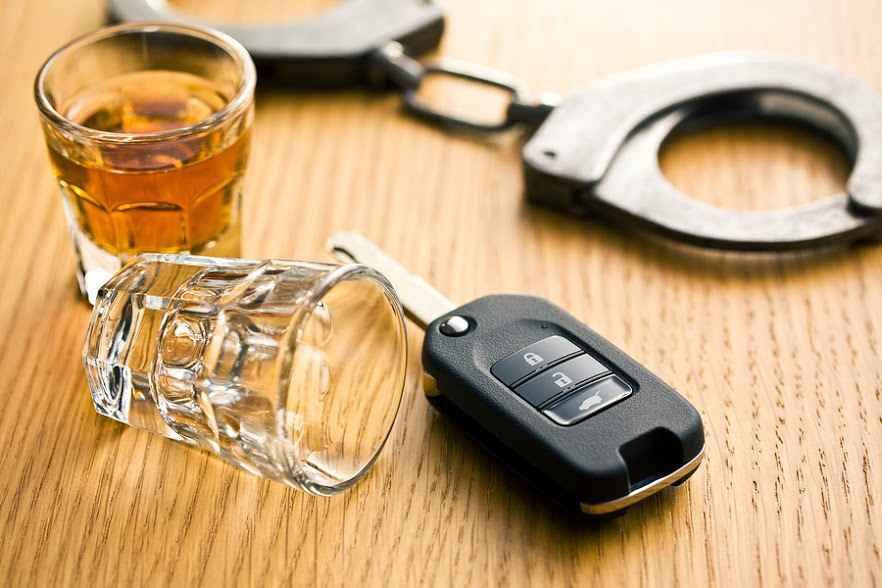
As a general rule, in order to conduct a search, seize property, or make an arrest, the police must have a warrant. However, the courts have identified exceptions to this rule. Courts have ruled that law enforcement can briefly detain an individual without a warrant and without “probable cause” to obtain a warrant, if the officer can show “reasonable suspicion” of some sort of wrongdoing. This is a lower standard than probable cause, a distinction that is most important when it comes to drunk driving charges under New Jersey law.
New Jersey courts have held that law enforcement may only stop a vehicle if they are able to provide specific facts that support a suspicion of a criminal or motor vehicle offense. In other words, the officer must be able to prove that specific observation led him or her in suspecting drunk driving or other offenses, such as driving recklessly or with an expired registration. This is called the “reasonable suspicion” standard. Other reasons the officer might site to meet this standard include:
If the officer is unable to provide such facts and is thus unable to meet the reasonable suspicion standard, the stop will be deemed illegal under the Fourth Amendment. It should also be noted that just because a police officer states that the arrest was based on “reasonable suspicion,” it does not mean that his or her actions actually met this legal standard. As such, it is important to hire a New Jersey DUI defense attorney to review the facts of the case to determine whether in fact the police officer met this standard prior to the DUI arrest.
If you or someone you know has been issued a DWI citation or arrested for drunk driving in New Jersey, an experienced attorney can help. Call Beninato & Matrafajlo Attorneys at Law, LLC at 908-355-7100 to schedule a free, complimentary consultation with our legal team today.