






Common Injuries in New Jersey Swimming Pool Accidents
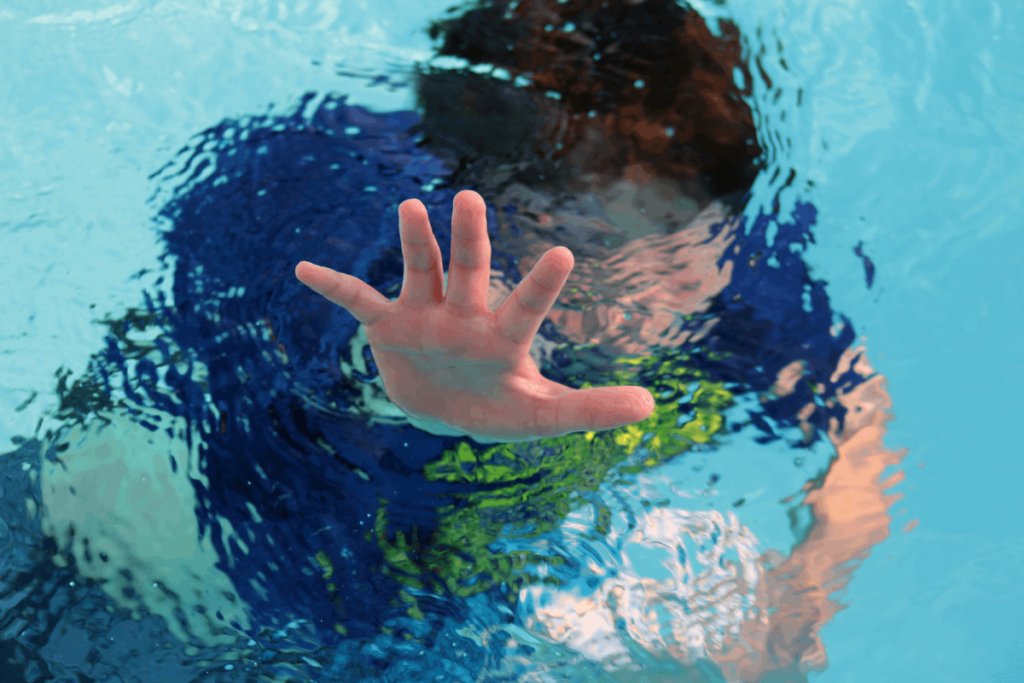
Swimming pools are a great source of exercise and relaxation, especially during the summer heat. But they are also involved in many serious injuries and deaths each year. According to the Consumer Product Safety Commission, “From 2019 to 2021, an average of 358 children fatally drowned in pools or spas and 6,500 visit the ER annually each year. Drowning is silent, so parents and caregivers should always watch children when they’re in or near water.” Understanding how swimming pool accidents take place and the types of injuries that may result is a crucial component of helping to prevent them.
Drowning and Near Drowning Incidents
Drowning is one of the most traumatic outcomes of any swimming pool accident. But even near-drowning accidents can leave victims with traumatic injuries. In particular, the longer a person stays submerged in the water without oxygen, the more likely they are to sustain permanent brain damage from oxygen deprivation. This is why it is so important that swimming pools have barriers to prevent unauthorized access. It is also critically important that children are constantly supervised.
Slips and Falls
Pool decks are inherently slippery, which makes the odds of a slip-and-fall accident all the more likely. This is true even when a person is walking at normal speeds. Victims of slip and fall accidents often sustain traumatic and life-altering injuries.
- Fractures: Any type of fall can increase the odds of a serious fracture. Injury sites that are most common include the arms, legs, wrists, and hips.
- Head Injuries: Falling backwards or forwards might lead a person to hit their head on the ground or other hard surfaces. This could easily lead to a concussion or other traumatic brain injury (TBI).
- Spinal Injuries: A fall could also result in a person damaging their spinal cord. These injuries are among the most serious and may even result in paralysis.
Pool owners should take a number of actions to prevent slips and falls, including installing slip-resistant surfaces.
Diving Accidents
Not every pool is properly set up for diving. Diving into shallow water is one of the major causes of preventable pool injuries. These incidents may result in serious trauma.
- Spinal Cord Injuries: When a person dives headfirst into shallow water, they can easily hit their head on the bottom of the pool, resulting in serious injuries to their spine.
- Head and Neck Injuries: It is also common for these accidents to result in trauma and lacerations to a person’s head and neck.
Consider, for example, Bunch v. Hoffinger Industries. An 11-year-old girl, Leesa Bunch, was left quadriplegic after diving into a four-foot-deep swimming pool. A jury awarded the plaintiff $12 million. The complaint alleged negligence, products liability, failure to warn, and breach of warranty.
Chemical Burns and Respiratory Damage
Pool maintenance often requires the use of chemicals such as chlorine. If these chemicals are overused or used improperly, their application may result in injuries.
- Skin Irritation and Chemical Burns: Exposure to overly chlorinated water may result in serious skin irritation and burning.
- Respiratory Issues: Even if a person isn’t directly touching overly chlorinated water or pool chemicals, inhaling fumes from these sources can seriously irritate a person’s lungs and respiratory system.
In order to prevent chemical burns and other injuries, property owners should store all pool chemicals in a locked and safe place that is away from children.
Entrapment Injuries
Pool drains and suction outlets can pose a risk of entrapment for smaller children. Here are some of the injuries associated with entrapment.
- Limb Injuries: A person’s arms or legs can become caught in the suction outlets. This may lead a person to suffer fractures or serious lacerations.
- Internal Injuries: Many people have sustained internal damage from high-suction areas. These areas may also lead to drowning if a person is unable to free themselves.
It is important that property owners install anti-entrapment drain covers on all pool drains. Supervision is also critical in the event that a child or other person does become entrapped.
Electric Shock and Electrocution
Pool lights and electrical systems in or around a pool can pose an inherent risk of electrocution. Any type of electrical shock in a pool setting may result in life-altering injuries.
- Severe Burns: Victims may sustain severe burns and cuts as a result of any electrocution.
- Heart Attack: It is common for any electrocution to cause a person to go into cardiac arrest.
- Organ Damage: Many of the injuries associated with electrocutions are not outwardly obvious. Those affected may suffer severe damage to their internal organs.
Property owners can take several steps to help prevent electrocutions, including installing ground-fault circuit interrupters (GFCIs). They should also hire licensed electricians for pool installation and repairs.
Getting Legal Help for Swimming Pool Accidents
Pool owners in New Jersey have a legal obligation to maintain pools in a reasonably safe condition and follow all safety regulations. Commercial property owners will typically need to install a fence around their pool with self-locking gates. When a property owner fails to take reasonable steps to prevent pool injuries, this could form the basis of a negligence claim.
Any person injured in a New Jersey swimming pool accident may have legal recourse through a premises liability claim. Victims may be entitled to compensation for damages, including lost wages, medical bills, and pain and suffering. Our team of premises liability attorneys at Beninato & Matrafajlo is here to help you. We have successfully recovered over $100 million for our deserving clients and will fight to get you the support that you deserve. Whether you have legal questions or are thinking about hiring an attorney, we are here for you. You can reach out to us anytime at 908-355-7100.

Dan T. Matrafajlo, Esq. is the Managing Member and Lead Partner at Beninato & Matrafajlo, Attorneys at Law, LLC, a New Jersey-based personal injury law firm with offices in Elizabeth and East Brunswick. With over two decades of experience representing clients in complex matters—including motor vehicle accidents, workers’ compensation, and wrongful death cases—he has recovered over $100 million on behalf of his clients and is known for securing significant results. He has also helped shape New Jersey personal injury law through notable Appellate Division decisions such as Hardison v. King and Frenklakh v. Lojek, with his litigation work featured in the New Jersey Law Journal, underscoring his authority in the field.
Mr. Matrafajlo was recognized as a Super Lawyers® Rising Stars honoree from 2012 to 2017 and is a member of the Million Dollar Advocates Forum—an honor reserved for attorneys who have achieved multi-million-dollar verdicts and settlements. Combining deep legal expertise with a client-focused approach, he provides strategic, results-driven representation while guiding clients through every stage of the legal process. He earned his Juris Doctor from the University of Miami School of Law and is admitted to practice in both New Jersey and New York.