







New Jersey Construction Accidents Lawyer
Thousands of construction workers are hurt or even killed while working at construction sites on a yearly basis. Despite the stringent rules and regulations set forth by the government that cover construction sites, many workers still get injured when they fall from heights of more than six feet all because they didn’t have the necessary fall protection in place. A New Jersey construction accident lawyer will tell you that all such falls are preventable and those employers (or contractors) who fail to utilize the required fall protections should and will be held accountable.
The sad reality, though, is that more often than not, employers and general contractors (and subcontractors) who are trying to lower their costs tend to cut corners when it comes to safety. But all this does is subject those who work under such conditions to unnecessary danger and force them to deal with the risk of being let go from their job if they come forward and demand to have the fall protection to which they are entitled.
Common Types of Construction Site Injuries
Injuries can occur in any profession. However, injuries are more prevalent in the construction industry because of the inherently dangerous nature of the profession. In 2012, more fatal injuries occurred on construction sites than in any other private sector industry in the United States.
Workers face numerous dangers every day on the job. Some common types of construction site injuries include:
– Severe burns and lacerations
– Scarring and disfigurement
– Head injuries, including traumatic brain injuries
– Spinal cord injuries, such as paraplegia and quadriplegia
– Broken, fractured or crushed bones
– Loss of limbs
– Loss of hearing or eyesight
– Stress injuries
If you or a loved one was seriously injured in a construction site injury, the experienced New Jersey construction accident attorneys at the Law Offices of Dan T. Matrafajlo can help you get the full extent of damages that you and your family deserve.
The Responsibilities of Contractors/Employers
In the US, construction is a huge, high-risk industry. Employers and general contractors have a responsibility (as do all other contractors on the job), to abide by all of the OSHA guidelines and properly execute the required fall protection. Your New Jersey construction accidents lawyer knows that such protections include the setting up and use of guardrails and/or tie ropes, and the wearing of hard hats.
Regardless of how strict the safety standards are for the construction industry, injuries to construction workers continue to rank very high with 15 out of approximately every 100,000 workers ending in fatality as a result of such injuries. Some typical construction site hazards that can end in either death or serious injury are:
- Accidents due to faulty (or lack of) scaffolding
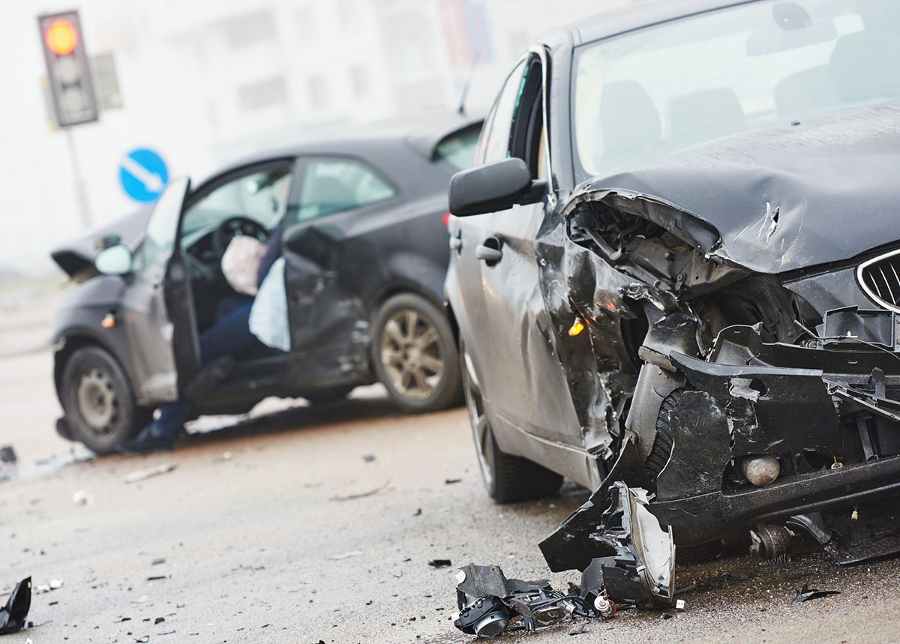
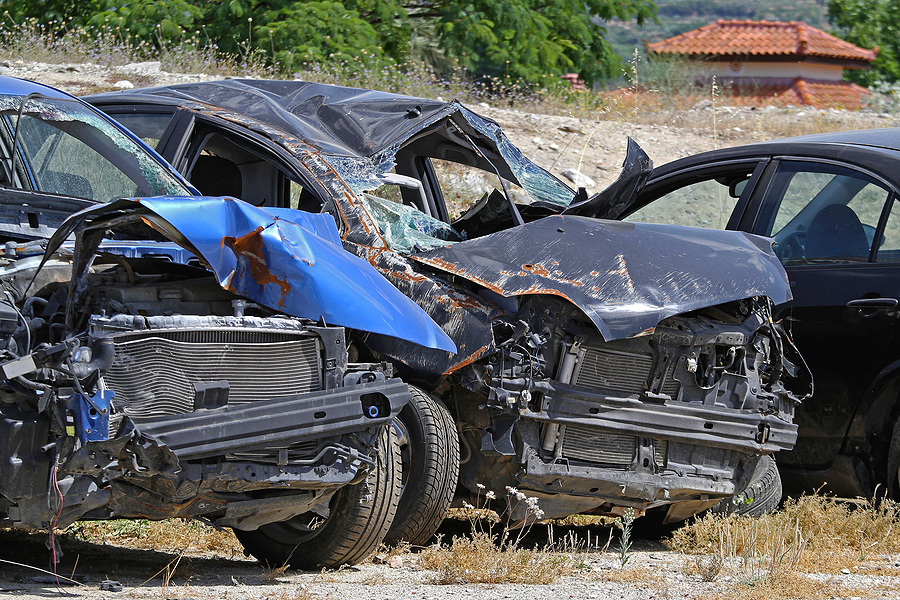
- Automobile collisions on the site
- Electrocution
If you or a loved one has been injured at a construction site, you need to make sure that you have a New Jersey construction accidents lawyer who can make sure that all contractors, manufacturers, and property owners are held responsible for the injuries incurred at the construction site. Please contact the Law Offices of Dan Matrafajlo at 908-248-4404 to receive a free consultation regarding the particulars of your case with an expert New Jersey construction accidents lawyer.
Yes, and this is one of the biggest differences between a construction accident and a typical workplace injury. In addition to a no-fault workers' compensation claim against your employer, you may have a separate third-party lawsuit against a general contractor, subcontractor, property owner, or equipment manufacturer whose negligence contributed to the accident — this can recover damages like pain and suffering that workers' comp doesn't cover.
Liability on a construction site is often shared across multiple parties: the general contractor, other subcontractors on-site, the property owner, architects or engineers, and equipment or scaffolding manufacturers can all potentially be held responsible, depending on who controlled the unsafe condition or defective equipment involved.
Falls from heights over six feet without proper fall protection — guardrails, tie ropes, or harnesses — are considered preventable under OSHA standards, and an employer or contractor's failure to provide that protection can be strong evidence of negligence supporting both a workers' comp claim and a third-party case.
The leading causes include falls from heights, scaffolding collapses or defects, being struck by falling objects or vehicles, electrocution, and equipment or machinery malfunctions — often traced back to inadequate safety measures, cut corners on cost, or lack of proper training.
Common construction injuries include traumatic brain injuries, spinal cord injuries (including paraplegia and quadriplegia), broken or crushed bones, severe burns and lacerations, amputations, loss of hearing or eyesight, and repetitive stress injuries — many of which cause permanent disability.
Not automatically, but scaffolding accidents frequently result from improper assembly, inadequate inspection, overloading, or defective equipment — any of which can point to negligence by the contractor responsible for erecting or maintaining the scaffold, or by the equipment manufacturer if a structural defect is involved.
Workers' compensation claims generally must be filed within two years of the accident, while a third-party personal injury lawsuit against a negligent contractor or manufacturer also generally follows New Jersey's two-year statute of limitations for personal injury — though the clock and requirements differ between the two types of claims, so it's important not to wait.
Surviving family members may be entitled to workers' compensation death benefits, and if a negligent third party contributed to the fatal accident, the family may also have grounds for a separate wrongful death lawsuit seeking additional damages.