







Quadriplegia
With the possible exception of traumatic brain injury, no injury to a person is more devastating than that to the spinal cord. When a victim’s spine is damaged above the C-4 vertebrae, the result is generally quadriplegia, or paralysis of the arms and legs. Because accident injuries of this sort generally are so devastating—and permanent—it is important for the victim to be represented by a New Jersey quadriplegia lawyer in order to receive the best compensation possible.
Quadriplegia Explained

Often termed “tetraplegia,” quadriplegia causes paralysis to the body below the area of the spinal cord that is damaged. C-4 vertebrae are located in the neck, so it is clear that if one suffers paralysis of this magnitude basic life issues can result, such as inability to breathe on one’s own. A New Jersey quadriplegia lawyer’s job in such a case is to help the victim gain sufficient compensation for life, since a return to normal activities and work are generally not possible.
Some quadriplegia injuries are incomplete; these occur at the C-5 vertebrae. A victim of incomplete quadriplegia may have partial paralysis to the four limbs. More commonly, though, the condition is complete. Related problems with quadriplegia include:
- Loss of bladder and bowel control
- Sexual dysfunction and infertility
- Respiratory difficulties
- Severe pain
Victims of the condition generally have shortened life spans as well.
Common Causes
While certain illnesses can lead to this condition, a New Jersey quadriplegia lawyer works with victims who have been injured in accidents due to another person’s negligence. Common accidental causes of the condition include:
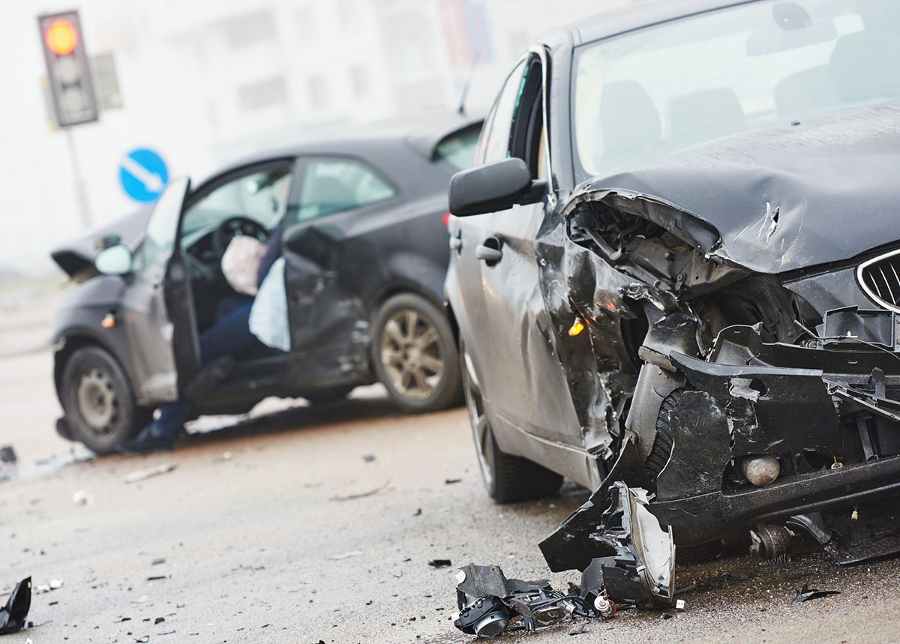
- Motor vehicle crashes
- Slip and falls
- Boating accidents
- Sports
- Workplace accidents
Compensation
Because this condition is so serious, a New Jersey quadriplegia lawyer needs to take into account the fact that the victim’s life will probably never be the same. Therefore, a fair settlement may include:
- Medical costs, including projected life-long treatment
- Long-term physical therapy
- Counseling
- Medical equipment, such as wheelchairs and breathing machines
- Income, including the expected lifetime earnings
- Pain and suffering
- Loss of consortium
- Punitive damages
If You Have Been Injured
If you become paralyzed in an accident caused by the negligence of another, New Jersey quadriplegia lawyer Dan Matrafajlo may be able to help. Mr. Matrafajlo is an experienced attorney who will fight to help you gain compensation. Call 908-248-4404 today to arrange a free consultation.
Quadriplegia (also called tetraplegia) is paralysis affecting all four limbs and the torso, caused by damage to the spinal cord in the neck (cervical) region — typically at or above the C4–C5 vertebrae. It results in loss of motor function and sensation below the injury site and can affect breathing, bladder/bowel control, and other bodily functions.
Paraplegia affects the lower body — the legs, pelvic organs, and sometimes part of the trunk — from injuries lower on the spine (thoracic or lumbar). Quadriplegia affects both the arms and legs because the injury occurs higher up, in the cervical spine, closer to the brain.
Get emergency medical care first — cervical spine injuries can worsen without proper stabilization. After that, avoid giving statements to insurance adjusters, preserve any evidence (photos, witness names), and contact a quadriplegia injury lawyer as soon as possible so evidence isn't lost.
Based on the injuries our firm sees most often: motor vehicle crashes, slip and fall accidents, boating accidents, sports-related trauma, and workplace accidents. Medical malpractice and defective products (like faulty seatbelts or airbags) can also cause cervical spinal cord injuries.
Liability depends on how the injury happened. It could be a negligent driver, a property owner who failed to fix a known hazard, an employer, a product manufacturer, or a medical provider. A quadriplegia lawyer investigates the accident to identify every party who may share responsibility.
Typical categories include past and future medical costs, long-term physical therapy, counseling, medical equipment (wheelchairs, breathing machines, home modifications), lost income and lifetime earning capacity, pain and suffering, loss of consortium, and in some cases punitive damages.
New Jersey's statute of limitations for most personal injury claims is generally two years from the date of the accident, though exceptions can apply (for example, claims against a government entity have much shorter notice deadlines). Speak with an attorney promptly to avoid missing a filing deadline.
They investigate the accident, identify all liable parties, gather medical evidence, calculate the full lifetime cost of your injury (with expert life care planners), negotiate with insurance companies, and litigate or try the case if a fair settlement isn't offered.