







Trench Excavation Injuries
Construction accidents cause more injuries than any other work-related incidents. This is in part because construction zones are by their nature unfinished and difficult to stabilize. Trench and excavation sites are especially onerous, and lead to thousands of injuries each year. If you are hurt, a New Jersey work injury lawyer may be able to help.
Trenches and Excavations Distinguished
Trenches and excavations are not one in the same. The distinction is that trenches are naturally occurring, while excavations are formed by man. A trench is by definition a narrow channel in the earth whose depth is greater than its width. Excavations can be dug that resemble trenches, and both are used in construction; this means, of course, that a New Jersey work injury lawyer may work with clients who are hurt in accidents in either.
Common Accidents in Trenches and Excavations
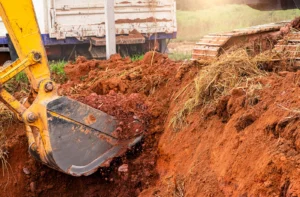
The dangers are many in these channels. As one may imagine, when earth is removed the trench or hole can be quite unstable; a piece of equipment operated too close to the trench can cause a cave-in. The Occupational Safety and Health Administration reports that such cave-ins result in over 5,000 serious injuries to workers each year.
Among the more common causes of accidents at trench sites are:
- Operation of heavy machinery
- Power lines that are uncovered
- Other underground utility lines
- Vehicles passing close to the site
- Ruptured gas pipes
- Water which weakens the sides of the trench
Protecting the Site from Collapse
Employers are required to ensure that their workers are safe in these unstable areas. It is vital that certain protective measures are taken, including:
- Shoring of the sides
- Sheeting
- Sloping the site
- Shielding
- Benching
Digging a safe excavation requires careful planning by professional engineers who specialize in soil and design. When an injury accident occurs because of inadequate or faulty design a New Jersey work injury lawyer can help.
If You Have Been Injured
If you are hurt on the job, you would do well to seek the assistance of a New Jersey work injury lawyer. Dan Matrafajlo is an experienced lawyer who will fight to help you gain compensation. Call 908-248-4404 today to arrange a free consultation.
A trench is a narrow underground channel where the depth is greater than the width, while an excavation is any man-made cut, cavity, or depression in the earth's surface. Both are regulated under the same OSHA safety standards, so either type of site can form the basis of a construction injury claim.
Trenches collapse when the surrounding soil becomes unstable, often from vibration of nearby equipment, water saturation, or simply the weight of the removed earth pressing on unsupported walls. Even a trench that looks stable can fail within seconds, which is exactly why OSHA requires protective systems before anyone works inside one.
Under OSHA regulations, protective systems like sloping, shoring, or a trench box are generally required once a trench reaches five feet in depth. Deeper excavations, especially those over 20 feet, typically require a design reviewed by a professional engineer.
Liability can fall on the general contractor, a subcontractor responsible for shoring, the site engineer, an equipment operator, or even an equipment manufacturer if a trench box or shoring system fails. A construction accident lawyer investigates the site conditions and safety records to determine exactly who cut corners.
Yes — while your employer is generally covered by workers' compensation, a third-party lawsuit may be possible against a different contractor, an equipment supplier, or a property owner whose negligence contributed to the collapse. This third-party claim can provide compensation, like pain and suffering, that workers' comp alone doesn't cover.
Beyond the crush and asphyxiation injuries associated with a full collapse, workers can suffer fractures, spinal injuries, and injuries from struck-by hazards like falling equipment or uncovered utility lines. Because the earth itself is the hazard, even a partial cave-in can cause serious, lasting harm.
You may be entitled to medical expenses, lost wages, and pain and suffering, with workers' compensation covering the no-fault basics and a third-party claim potentially covering more. The specific mix depends on who was at fault and whether that party was your employer or someone else on the job site.
Attorneys typically rely on OSHA inspection reports, site safety records, engineering standards for the type of soil involved, and witness accounts from other workers on site. Because trench safety standards are so specific and well-documented, a violation of those standards is often the clearest path to proving fault.