







Seatbelt Injuries
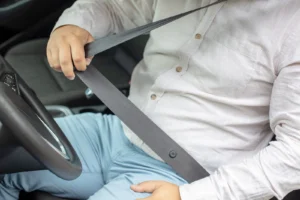
Sadly, approximately 55% of vehicle fatalities affect drivers and/or passengers who aren’t wearing seatbelts at the time of impact. However, the National Highway Traffic Safety Administration (NHTSA) has found that passengers who use a seat belt while riding in the back seat are about 44% less likely to be killed than individuals who aren’t wearing a seatbelt at the time of a serious car accident, and the percentage is even greater for passengers in the backseat of SUVs. Still, even with such persuasive proof of a seatbelt’s effectiveness, any New Jersey seatbelt injury attorney will tell you that the very device that has saved lives has also been the same one that has caused major injuries in a lot of cases.
The Types of Injuries Caused by Seatbelts
Some of the injuries that can be created by seatbelts are:
- Whiplash
- Pinched nerves
- Various injuries to the abdominal area
- Injuries to the internal organs, as well as internal bleeding
- Injuries to the spinal cord (which can end in irreversible paralysis)
Even though the safety value of vehicle seatbelts has been clearly demonstrated, the seatbelt itself has the ability to bring about major injuries to the spine and intra-abdominal areas during sudden impact. In fact, your New Jersey seatbelt injury attorney is probably well aware of the fact that recent literature regarding seatbelt injuries has shown an increased number of injuries to the abdomen, spine, and pelvis. Additionally, with respect to lap belts, there has been increased discussion about the occurrence of serious spine injuries.
Call an Attorney if You’ve Been Hurt by a Seatbelt
If you or a loved one has had the misfortune of sustaining a seat belt injury during a motor vehicle accident, you should know that you might be eligible to receive compensation for your injuries and any losses sustained due to those injuries. If you have yet to contact an attorney, you should do so today in order to preserve your rights. Please call New Jersey seatbelt injury attorney Dan Matrafajlo at 908-248-4404 today so that you can receive a free consultation regarding your case.
It's the term doctors use for the specific pattern of injuries — bruising across the abdomen and chest, internal organ damage, and sometimes spinal injury — that results from the force of a seatbelt locking during a crash. It's a recognized medical diagnosis, not just informal language.
Not exactly. Whiplash is a neck injury caused by the head snapping forward and back. A seatbelt injury refers more broadly to the bruising, internal damage, or spinal trauma caused by the belt itself pressing into the body — though the two can happen in the same crash.
A seatbelt has to apply significant force in a fraction of a second to keep your body from being thrown forward or ejected. That same force, especially in a high-speed or improperly-positioned belt situation, can bruise or injure the areas it presses against.
Yes. If a seatbelt fails to lock properly, retracts too late, or has a manufacturing defect, an occupant can be thrown forward into the dashboard or ejected — turning a survivable crash into a catastrophic one.
Yes. Wearing your seatbelt doesn't take away your right to compensation — it's the negligent driver (or other liable party) who caused the crash, not the seatbelt itself, unless the belt was defective.
New Jersey follows a modified comparative negligence rule, so your compensation could be reduced if you weren't wearing a seatbelt and that contributed to the severity of your injuries — an attorney can walk you through how that applies to your specific facts.
Abdominal pain or tenderness, bruising in a belt-shaped pattern across the torso, nausea, dizziness, or pain that worsens over the following days rather than improving. If any of these appear even days after the crash, it's worth getting evaluated right away rather than waiting to see if it passes on its own.
Through medical records documenting the diagnosis, the police crash report, photos of belt-pattern bruising, and often expert medical testimony connecting the injury to the crash. The sooner this evidence is gathered after the accident, the stronger the connection between the crash and the injury tends to be.